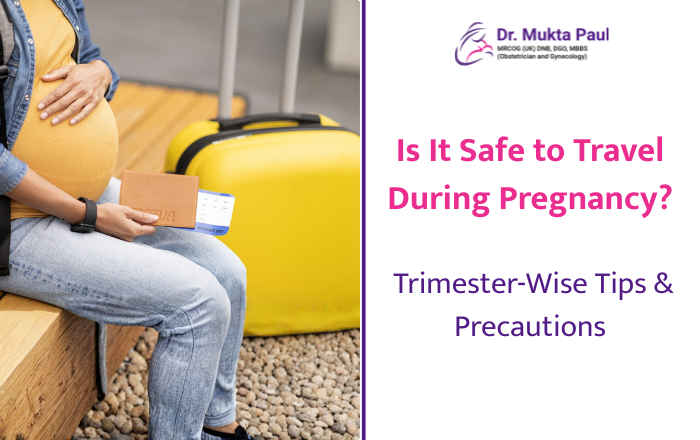
Pregnancy is one of the most exciting times in a woman’s life and it doesn’t mean you have to stay home for nine months! But if you’ve been Googling “is it safe to travel during pregnancy,” you’re asking exactly the right question. The answer? For most healthy pregnancies, travel during pregnancy is absolutely possible; you just need to know when, how, and what to watch out for.
This guide breaks it all down in simple, practical terms trimester by trimester.
For most women with a normal, healthy pregnancy, travel is considered safe — especially during the second trimester. However, women with high-risk pregnancies (like preeclampsia, placenta previa, or a history of preterm labor) should always check with their doctor first.
According to ACOG, the safest window for travel during pregnancy is between 18 and 24 weeks, when both miscarriage risk and preterm labor risk are at their lowest.
Traveling in the first trimester is possible, but it comes with challenges. Nausea, fatigue, and frequent bathroom trips can make even a short journey feel exhausting.
Quick tips:
⚠️ Have your first prenatal checkup before you travel.
This is the safest time to travel during pregnancy. Morning sickness fades, energy returns, and your bump is comfortable enough that long journeys feel manageable. Most OB-GYNs agree this is the ideal window.
Tips for second trimester travel:
Pregnant women have a 5x higher risk of DVT (deep vein thrombosis) compared to non-pregnant women — so movement on long journeys isn’t optional, it’s essential.
Travel in the third trimester requires extra caution. Most airlines restrict flying after 36 weeks, and some international carriers cut off at 28 weeks. Beyond physical discomfort, being far from your delivery hospital is a real concern.
If you must travel:
Flying during pregnancy is generally safe up to 36 weeks for healthy pregnancies. Stay hydrated, wear compression socks, and walk the aisle regularly.
Seek emergency medical help immediately if you notice:
These could be signs of serious complications. Don’t wait — act immediately.
Q: When is the best time to travel during pregnancy?
Weeks 14–28 (second trimester) energy is good, nausea is gone, and complication risk is low.
Q: Can I fly internationally while pregnant?
Yes, in most healthy pregnancies but check your airline’s policy and get doctor clearance first.
Q: Does travel cause miscarriage?
No evidence suggests travel causes miscarriage. However, high-risk pregnancies should minimize unnecessary travel.
Q: Is travel insurance necessary during pregnancy?
Yes, make sure your policy covers pregnancy-related emergencies and early delivery.
Planning to travel during pregnancy especially with a high-risk condition? Before you pack your bags, speak to a trusted doctor who truly understands pregnancy care.
Dr. Mukta Paul, Obstetrician and Gynecologist with 22+ years of experience, is available at Prohealth Multispeciality Clinic, Kharadi, Pune. From routine prenatal checkups to managing high-risk pregnancy cases, Dr. Paul gives you the clarity and confidence you need — whether you’re traveling or staying home.
Don’t leave your pregnancy health to guesswork. Book your consultation with Dr. Mukta Paul at Prohealth Multispeciality Clinic, Kharadi today — and travel with complete peace of mind.
Copyright © 2026 All Rights Reserved Website Design By DMXDIGITAL
WhatsApp us